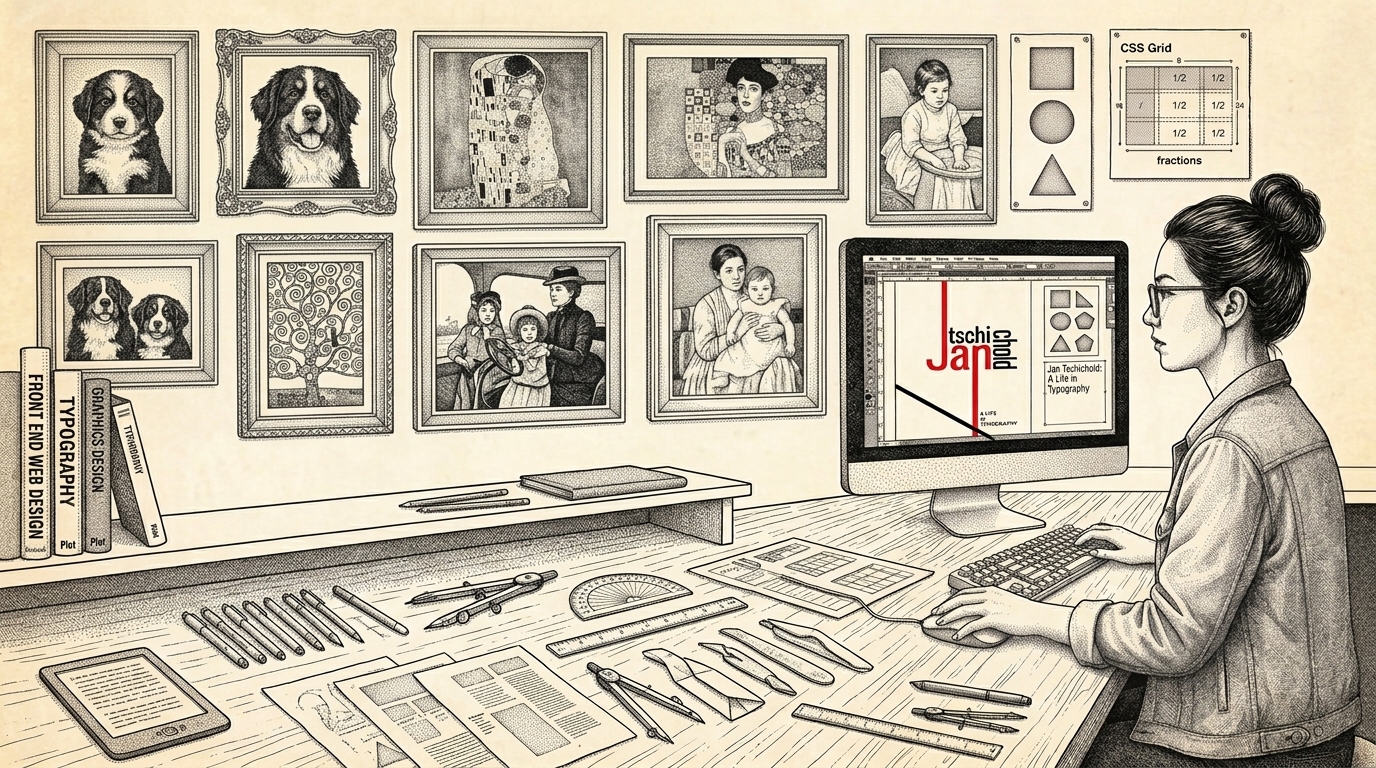
A few smart friends had taken to blogging anonymously about island politics. Being sharp, they pulled no punches, dissecting the daily news with ease. I felt inferior in their shadow. I couldn’t imagine joining them; even behind a pseudonym, I would have been second fiddle to their natural brilliance.
Then I moved from the local newspaper to a print shop, and the ground shifted.
The new responsibility gave my confidence a sudden, ten-fold lift. I stopped worrying about grammar and style. I wrote with a reckless fervor, like someone newly reborn and discovering the world for the first time.
Yet it was the mechanics of the magazine that truly caught me: the photography, the typeface and weight, the placement of images, even the weight and finish of the paper. Graphic design felt less like a trade and more like sorcery.
I owe that awakening to my friend Mel and his circle of gifted designers. They took me in like a stray puppy, and I quickly warmed to their world.
Mel brought an architect’s mind to the page. Combining an eye for balance with structural discipline, he treated layout the way Frank Lloyd Wright treated space—breaking down traditional borders so text could flow like water from the mountains. Text and image existed in quiet harmony. Sometimes he would brace a layout with lines that served the page the way a cantilever supports a roof.
On other days, he worked like Le Corbusier, running photo montages across the grid like ribbon windows. Or he became I.M. Pei, using precise geometry, light, and white space to mesmerize our clients.
Software, I realized, was only a small part of the craft. The real work lay in knowing how the pieces fit together—and knowing just how far a boundary could stretch to accommodate a whim. Watching them work day after day muted the writer in me and woke the artist.
When I discovered web design, that artist took off. A persistent patron in my life—a significant other, to whom I owe a deep debt of gratitude—first opened my eyes to the digital world, even enrolling me in design school so I could master the craft.
From there, the work became headlong and exciting. I lost track of hours balancing CSS Flex and Grid, testing serif against sans-serif, tweaking font weights, and altering hex codes to watch colors shift on the screen. It was digital magic.
My life has taken several turns since then, forcing me to adapt to different trades as the seasons changed. Practical voices often warned me against pursuing art for its own sake. But the designer in me never really left; it merely went on an extended leave. It reemerges whenever I sit down to design a card or layout a site—waiting patiently for the right moment to step back into the light and paint the town red.
No responses yet. Tell me what this brought back for you.