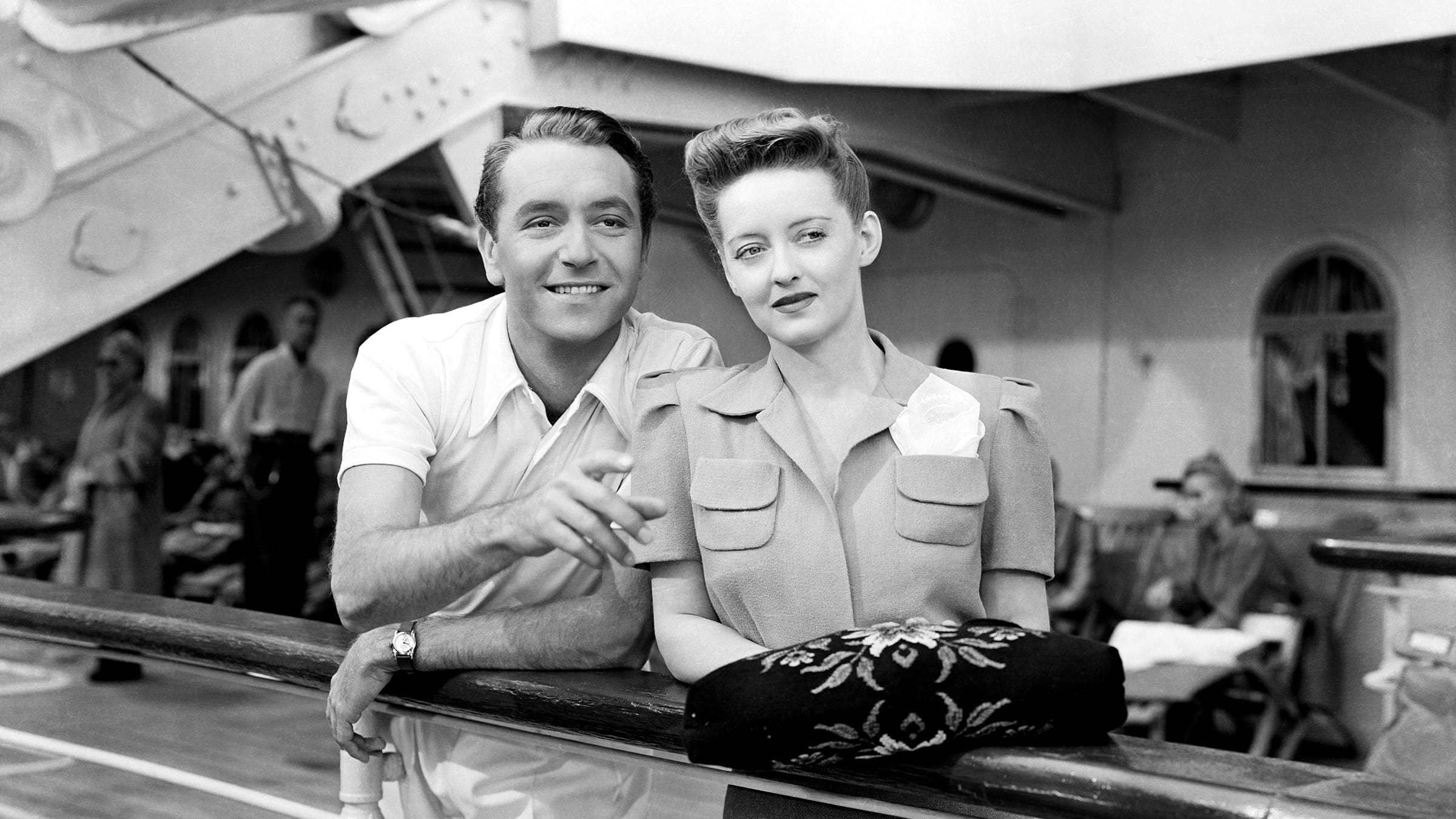
Ever since I first encountered Bette Davis on screen, my world changed. She did not merely act; she occupied space with a sharp, uncompromising honesty that made standard Hollywood melodrama feel thin. Among her films, Now, Voyager stands singular. It is not a formulaic Cinderella story, nor is it a polite My Fair Lady transformation where a woman is simply polished up by men to suit good society. It is something far more instructive—a blueprint for how a woman, having finally found her footing, takes charge of her life.
I would like to believe I am like her. But to truly understand Charlotte Vale—or "Camille Beauchamp," as she calls herself on that ocean crossing—I found I needed more than just admiration. I needed a way to think through her journey, and Paul Ricœur’s work on memory and narrative identity offers a steady lantern.
Ricœur was fascinated by how we construct a self out of time, memory, and old injuries. He argued that a human being is not a fixed monument carved once and left to weather in the rain, but a living narrative perpetually in revision. To read Charlotte through Ricœur is to realize that her transformation is not a Hollywood miracle, but a deliberate act of self-interpretation—a process Ricœur divided into three distinct movements.
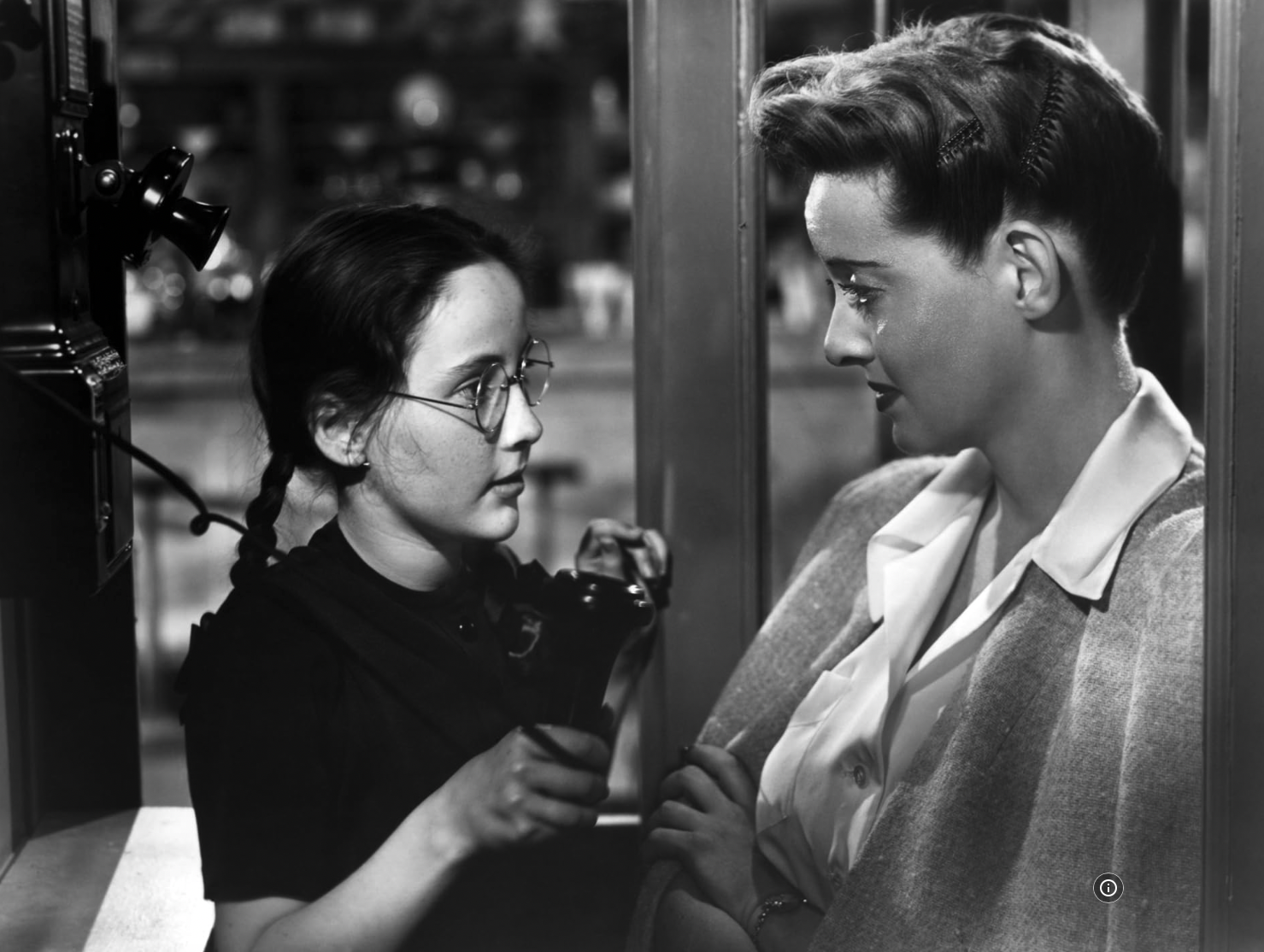
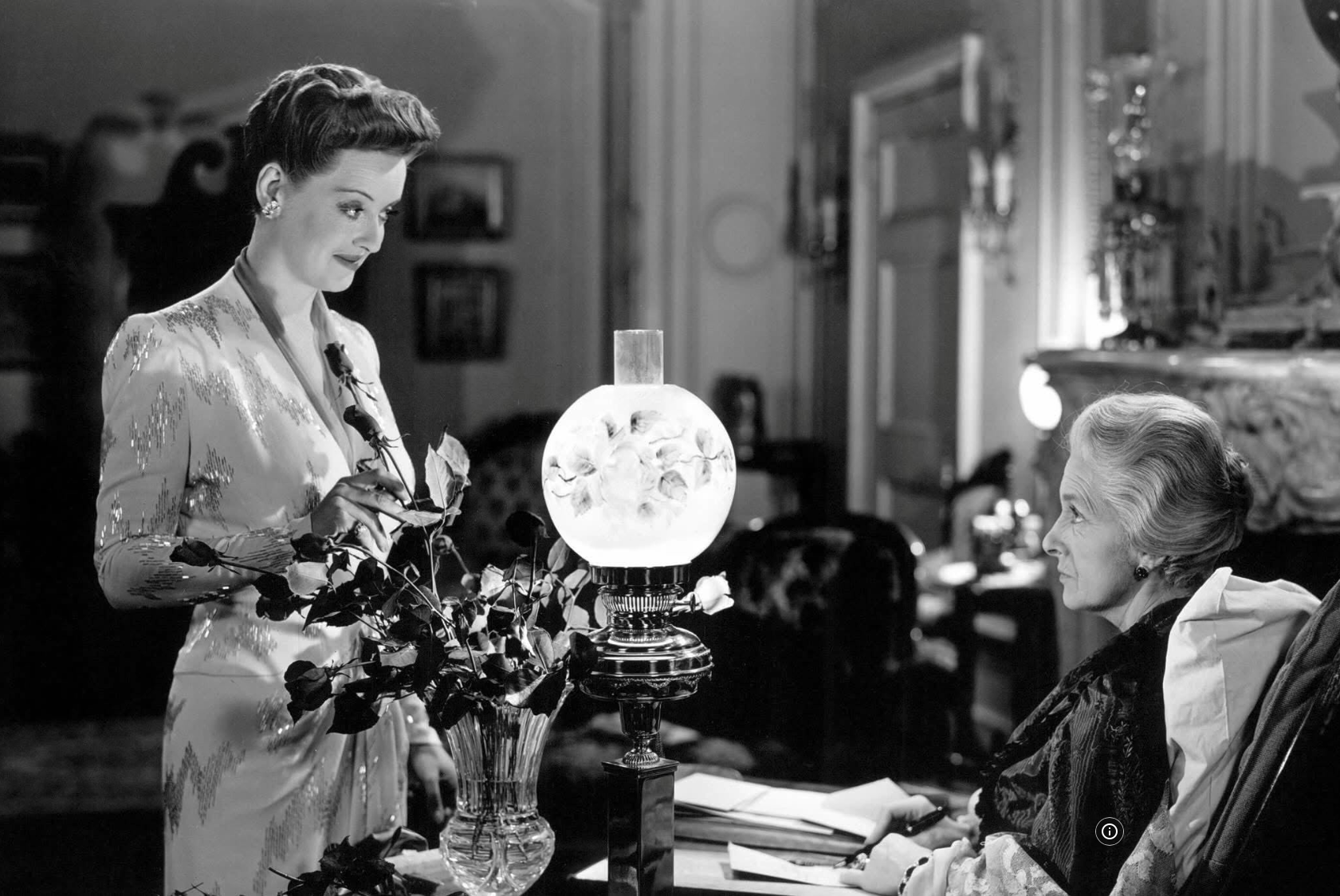
First comes Prefiguration—the world as we inherit it, shaped by the expectations and judgments of others before we even learn to speak for ourselves. For Charlotte, this pre-understanding is embodied by the Vale mansion in Boston and the crushing authority of her mother, Mrs. Henry Windle Vale. Charlotte’s early life is a series of forced subtractions: heavy eyebrows, flat shoes, high-collared dresses, and the permanent role of "the unwanted child." She moves through her own home like an unwanted guest in someone else’s play, her inner world splintered into panic attacks and hidden corners.
Then comes Configuration, which is Ricœur’s word for the middle distance—that crucible where we take the raw, painful fragments of our lives and begin to rearrange them. For Charlotte, this begins at Cascade, the sanitarium, and unfolds aboard the Kilimanjaro. Dr. Jaquith does not offer quick comfort; he provides a safe vantage point from which she can examine her past without shame. Away from Boston, adopting the name Camille Beauchamp, she tests out a new way of being. In Ricœur’s view, this is not an escape or an erasure of her past; it is a workbench where a person can lay out all her tangled threads and see if they might be woven into a garment that actually fits.
Finally, Ricœur speaks of Refiguration—the moment when the newly configured self meets the world and changes how life is actually lived. This is where Now, Voyager leaves standard fairytale tropes behind. When Charlotte returns home to Boston, she does not pretend her past never happened. She keeps the small, hand-carved ivory boxes made during her darkest days—material traces of memory that Ricœur would recognize as essential to an honest self. But when her mother attempts the old emotional maneuvers, Charlotte no longer flinches. She meets her with a calm, steady gaze. Her identity has shifted from a list of old wounds into an active, self-directed story.
What makes Charlotte’s triumph so deeply empowering to me is its final, realistic synthesis. She does not demand an impossible, idealized fairytale ending with Jerry Durrance—what the film calls "the moon." Instead, she refigures a life within her real constraints: taking in Jerry’s vulnerable daughter Tina, keeping her home, and asserting her complete independence.
"Oh, Jerry," she tells him as the film draws to a close, "don't let's ask for the moon. We have the stars."
Ricœur reminds us that healing is never about pretending our past did not happen, nor is it about waiting for permission from anyone else to start over. It is simply taking the raw material of our miseries, editing out the unnecessary fear, and finding the courage to write ourselves a far better next chapter. In the end, we do not need to escape into someone else's story. We simply step out onto our own deck, untie the old ropes, and set sail toward the stars that were ours all along. Now, voyager!
No responses yet. Tell me what this brought back for you.