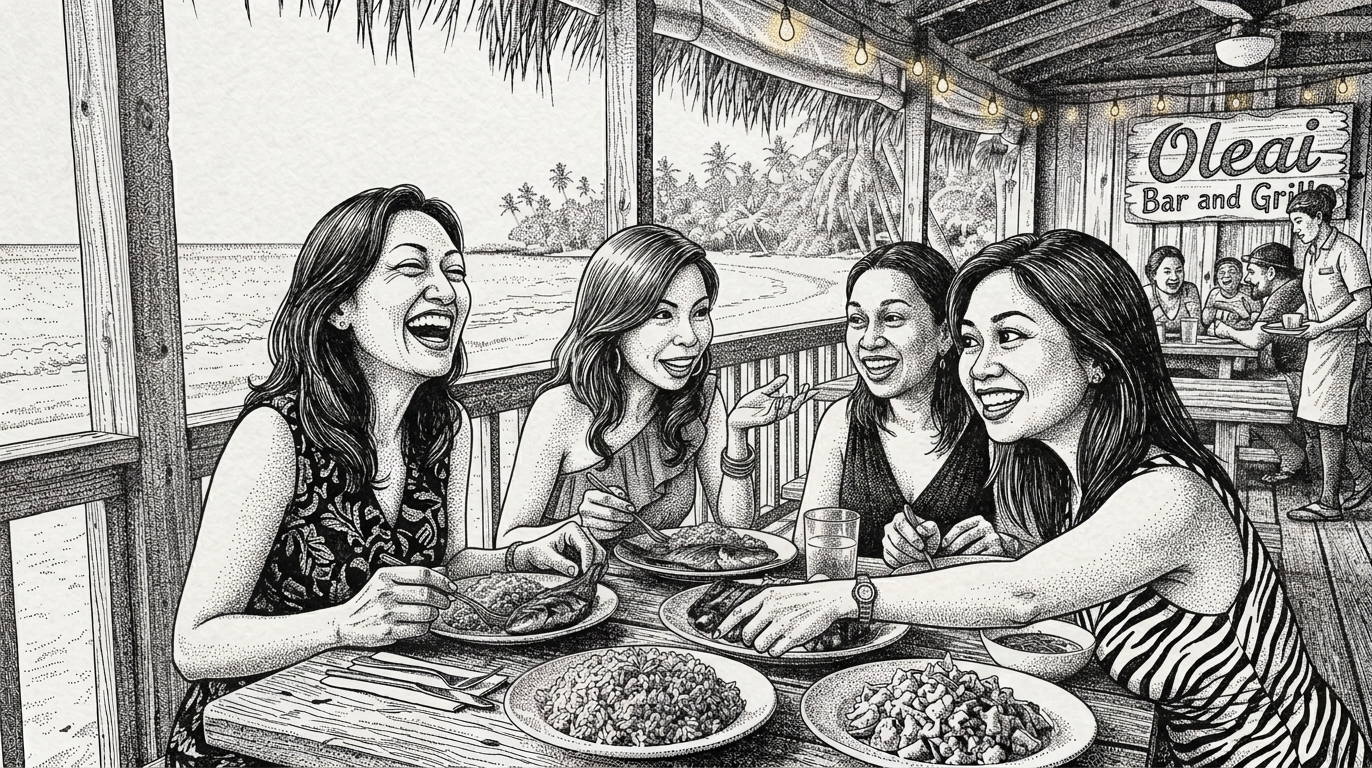
We were trading messages late last Sunday night—that slow, rhythmic ping-pong across the screen between my apartment and Guam, two former Saipan-based journalists attempting to summarize life in general. Somewhere around midnight, the conversation drifted back north.
I typed out a quick confession: I miss Saipan.
Marvic and I used to work for Marianas Variety back in the day. She was among the early wave of Filipino journalists who arrived to chronicle the islands before moving on to Guam. We actually met through our keyboards first, co-filing stories for the Guam edition while I remained anchored in the Saipan newsroom. Distance back then was just a deadline to beat, interrupted occasionally when she’d fly in for work or a long weekend, and we’d catch up over bad coffee and island gossip.
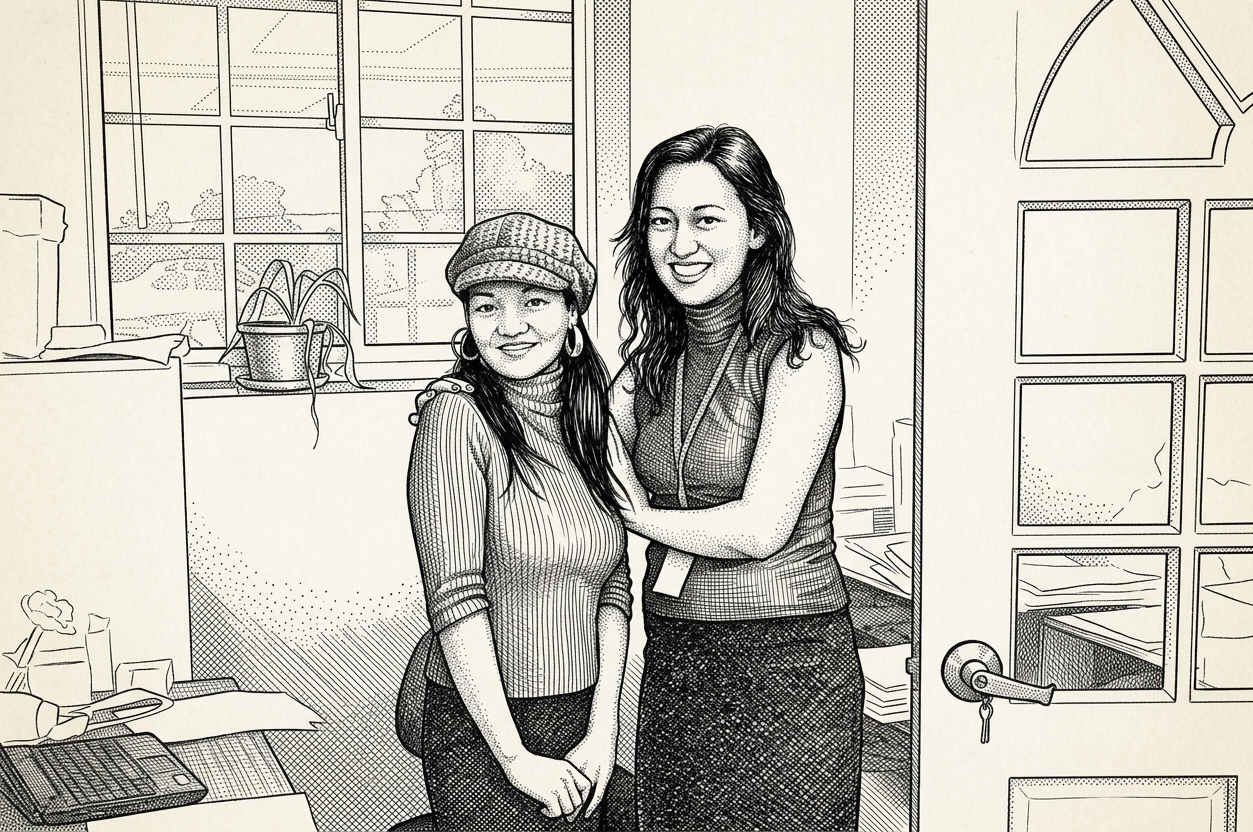
"Every time I go there, it feels like a different place," she messaged back.
I thought of how typhoons and time seem to conspire against island geography: Parang every storm comes with it a renewal... na wash away ang isla layer by layer.
Her next reply nailed it with terrifying precision: "So yung memory natin about Saipan is not just the place, but the people we made life with."
And she was right: The Saipan we inhabit in our heads has been quietly decommissioned. The old hangouts we used to frequent long past deadlines have been leveled, shuttered, or repurposed into something deeply unfamiliar. The people whose faces once gave those locations familiarity have either scattered across the globe or died.
We are left with a drawer full of memories that no longer have a physical address.
It reminded me of that line from Keane’s Somewhere Only We Know—the search for a fallen tree or a secret path. But it turns out nostalgia is just a mild, chronic ailment. If we hopped on a plane tomorrow and find ourselves retracing our steps, we wouldn't find the coordinates we're looking for. The reef would still break in the exact same rhythm, but the sea of familiar faces—the tender, living web our memories latched onto—has ebbed. The land doesn't recognize us, and we look around like tourists searching for a building that was torn down years ago.
Carl Jung had a rather sharp observation about this. He suggested that memory isn't a museum where you go look at old statues; it’s an internal projection. We don't just live in a town—we attach our inner lives onto its concrete, its coral, and its people. When those people leave and the physical anchors crumble, the hook snaps. The memory loses its location. It floats free inside your head, beautiful, slightly absurd, and entirely unmoored from reality. The "place" was never really the soil; it was just the temporary vessel for a very specific chapter of our lives. Once that vessel breaks, you’re left holding a myth.
You can't buy a round-trip ticket to a location that only exists in the past. The Saipan of our reporting days has lost its postal code, surviving now only where Jung said it would: in the quiet, fading corridors of the mind, glowing on a phone screen between two old friends who still remember where the stories used to live.
No responses yet. Tell me what this brought back for you.