There is a particular kind of low-grade anxiety known only to those who live by the date stamped on a work permit.
When I first stepped off the plane on Saipan to report the news, I had no grand plan to stay forever. Like most people who arrive in the Northern Marianas, I came with a contract, a notebook, and a modest horizon. But a funny thing happens to human affection while you are busy filing stories. Over eleven years of morning drives along Beach Road, shared typhoon prep in airless newsrooms, late-night deadlines, and slow Sunday afternoons watching the reef, the island stopped being a workplace. It became home.
Then came the uncomfortable realization that arrives for anyone watching a calendar: one day, the work will stop, and you will be asked to pack your life into two suitcases. For those who give a decade or more to an island, returning to the Philippines or wherever they began is not a simple step backward. The old country has moved on, and you have become someone else, shaped by the saltwater, the heat, and the dignity of island life.
Under the Commonwealth Worker program, however, belonging was tied to a relentless administrative cycle.
The annual renewal framework created a massive petition backlog by its very nature. Federal officers faced an impossible workload: as soon as one round of petitions was cleared, the exact same stack returned the following year, stretching processing times despite their best efforts. Many of us ended up waiting in administrative limbo for the paperwork that would permit us to keep doing the jobs we had held for years. When colleagues had to fly back to Manila for consular stamps, the trouble was immediate. Breadwinners waiting overseas worried about paying rent on-island, while those left behind in the newsroom worked double shifts to cover the empty desks.
The arrangement created endless friction for local businesses too. Stores and offices operated at half-steam because key staff were caught in the paperwork queue. Asking a small island shop or local contractor to sponsor workers under traditional federal H-1B visas ignored the balance sheet: on an island where power bills rival a second mortgage and foot traffic keeps shrinking, paying thousands of dollars in legal fees can shutter a small business.
Worse was the lingering notion in distant offices that long-term workers could be swapped out for new recruits from the mainland. You cannot drop a stranger onto an island and expect them to understand its delicate history by Monday morning. In a newsroom like the Marianas Variety, having reporters who remember who said what ten years ago is what keeps the paper honest. You can import a reporter, but you cannot import ten years of community trust and memory.
When federal legislation finally created a pathway to permanent status a few years back, relief arrived for many. Friends with children born on-island found a way forward once their kids grew old enough to file petitions. But as a single person, I watched that door close. What about those of us who gave our best years and skills to the island without a family petition to save us? We wanted to build a lasting life, but the rules offered only two choices: keep waiting, or leave.
If we want an island economy that actually works, the fix is mostly a matter of common sense.
Instead of treating foreign labor like an emergency valve to be turned on and off, or repeatedly extending sunsetting provisions that only defer the inevitable, policy ought to reflect the physical reality of the Pacific. An isolated territory needs a stable, reliable pool of foreign talent and hands to keep its clinics open, its classrooms staffed, its trades working, and its newsrooms grounded. Why keep pushing the sunsetting deadline down the road when we could build a permanent workforce framework the islands can rely on, come rain or shine? Creating an earned pathway to long-term status for single residents who have worked, lived, and paid taxes on-island for years turns an anxious workforce into a permanent, investing community.
A few practical adjustments would do wonders. Automatic work authorization while renewal papers are being processed would keep small businesses from losing staff overnight while giving processing officers breathing room. Furthermore, granting status portability—allowing pre-vetted workers the freedom to change employers locally rather than tying them to a single business—would let the labor market breathe naturally without driving experienced people away.
An island cannot build its future on quicksand and administrative delays. By replacing temporary extensions with a little permanence, we can honor the people who showed up to do the work, giving them the simple certainty to stay, contribute, and call the island home.
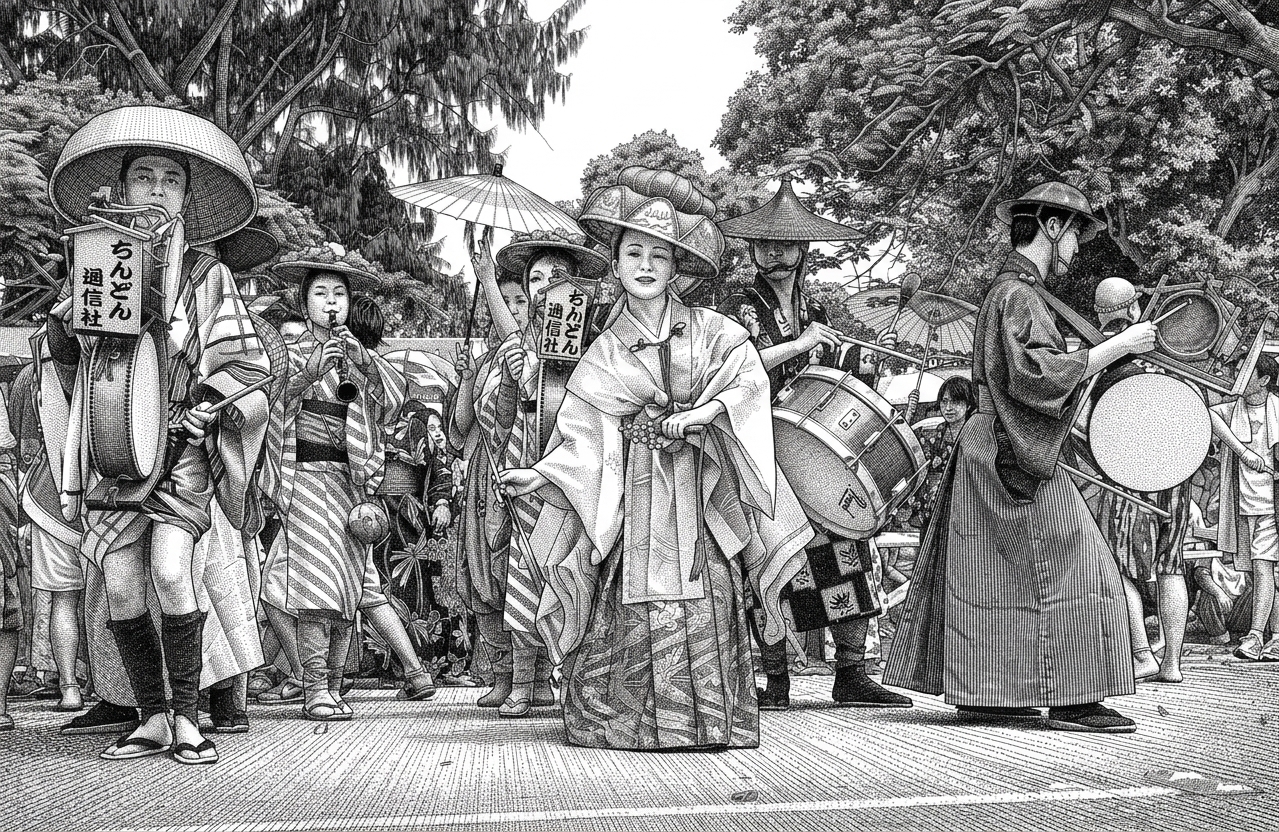
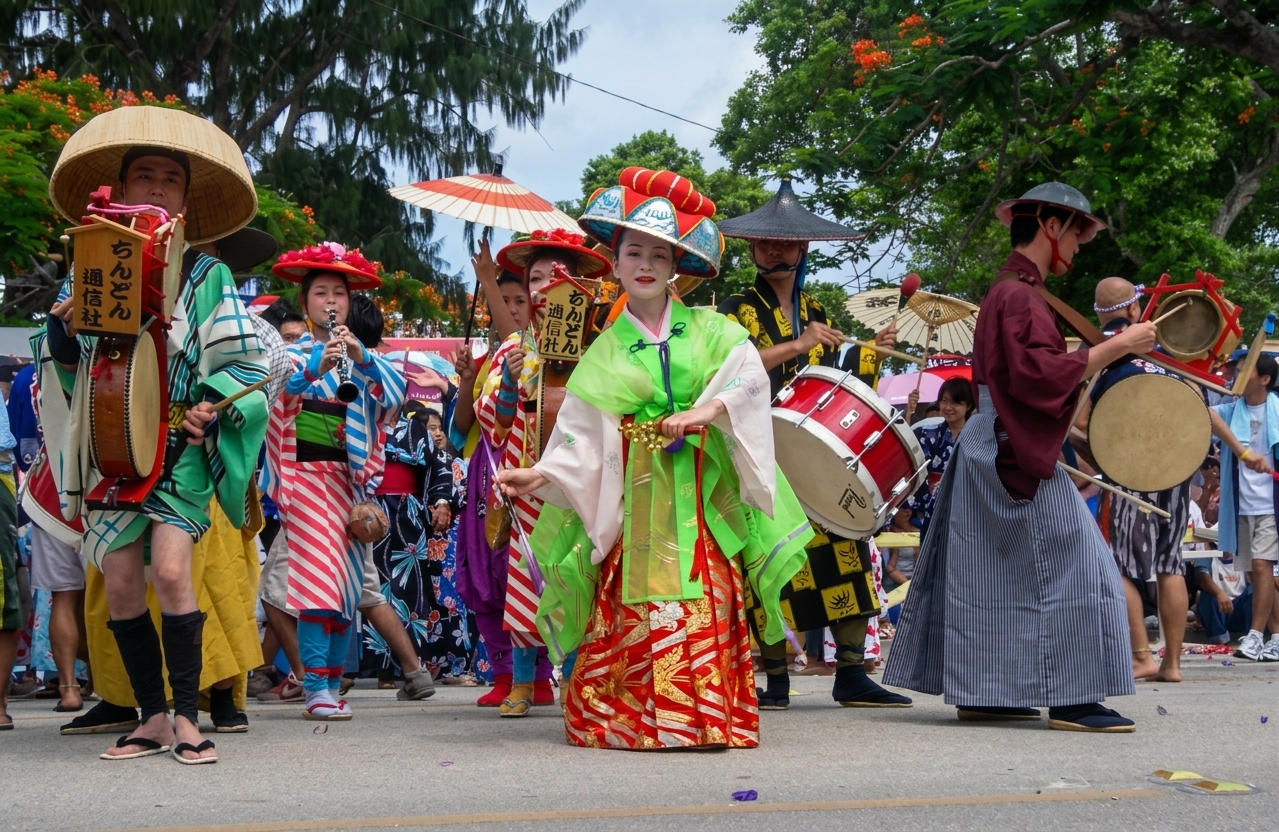
PHOTO CAPTION: Japanese workers participate in the Liberation Day Parade in 2006. Photo by Lexi Zotomayor/Marianas Variety. Note: Of all the things I hold dear about these islands, it is the way we live together—people from far-flung places, gathered here, sharing the same small piece of earth in peace.--Lexi Zotomayor
No responses yet. Tell me what this brought back for you.